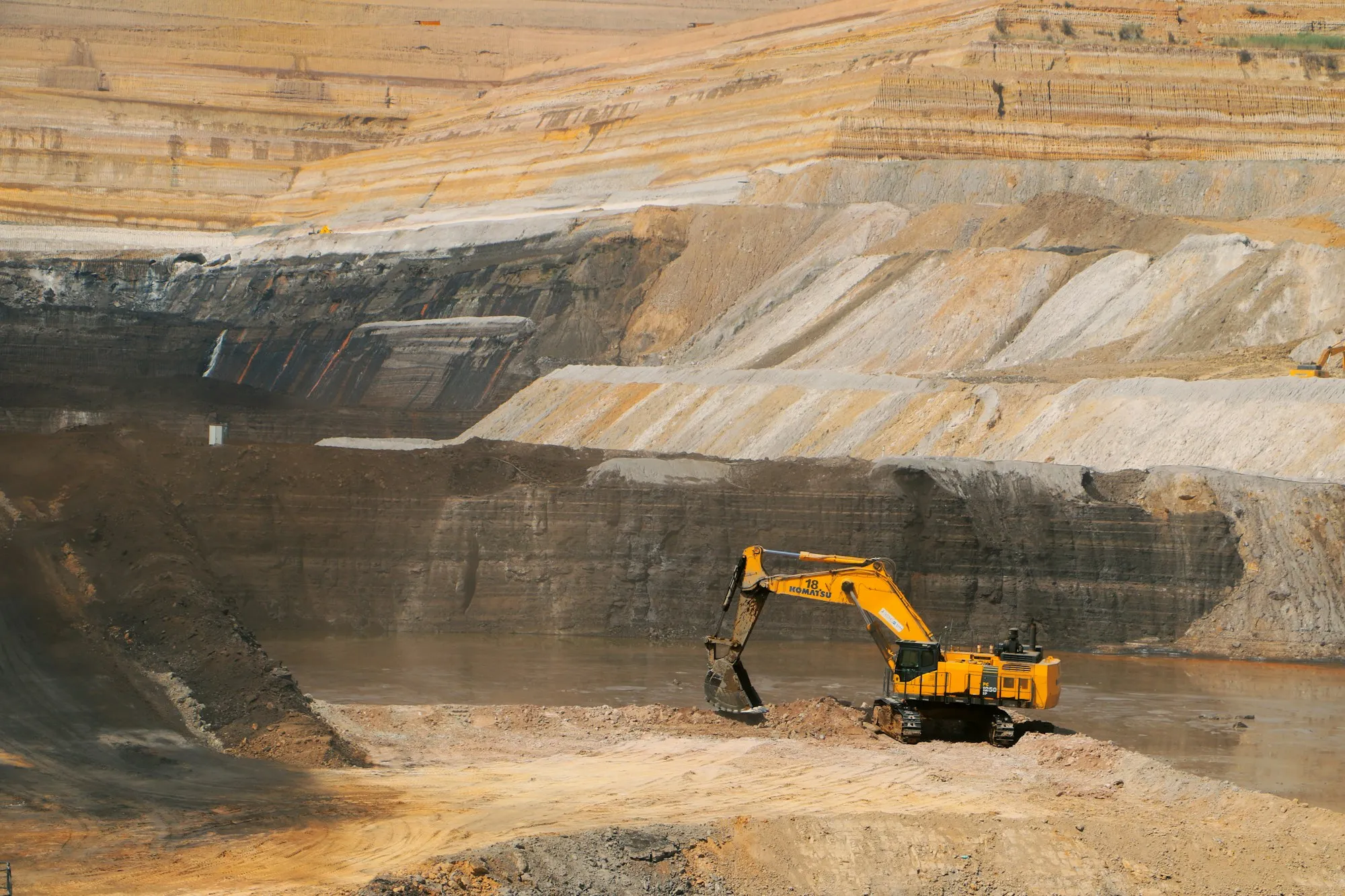
Mining Acquisition
Sourcing gold-mine acquisition opportunities for clients across favourable jurisdictions — from due diligence through negotiation to deal close.
Who this is for
- Investors and family offices seeking direct exposure to producing or near-production gold assets
- Mid-tier mining companies looking to expand their portfolio in stable African and Asian jurisdictions
- Resource-focused funds and consortia evaluating concession acquisition or buy-in opportunities
- Industrial groups diversifying into precious-metals supply through asset ownership rather than offtake
Concrete deliverables, not slideware.
Jurisdiction screening and country risk advisory
We assess target jurisdictions on legal stability, mining-code clarity, fiscal regime, repatriation of capital, and operational track record — and we are honest about the countries where we will not introduce assets, no matter how attractive the headline numbers.
Asset sourcing and origination
We surface concessions, licenses, and operating mines that are credibly available, drawing on long-standing relationships with operators, agents, and government bodies across our regions. We filter aggressively before bringing anything to a client.
Technical and legal due diligence coordination
We coordinate the geological, technical, environmental, social, and legal due diligence streams a serious acquisition requires — including independent expert reports — so the buyer makes a decision on a defensible basis.
Counterparty and beneficial ownership verification
Structured KYC on the seller, including beneficial ownership mapping, sanctions and PEP screening, and on-the-ground reference checks. If the seller cannot be verified, we will not advance the mandate.
Negotiation and deal structuring support
We sit alongside the client through term sheet, share or asset purchase agreement, escrow setup, and post-close obligations — bringing the cultural and procedural fluency that cross-border mining transactions demand.
Post-acquisition transition and stakeholder engagement
Introductions to credible operators, regulatory liaisons, community relations advisors, and offtake counterparties so the asset moves smoothly from acquisition to production under the new owner.
A structured engagement.
Discovery and acquisition mandate
We begin by understanding what you are actually looking for: jurisdiction preferences, asset stage (exploration, near-production, producing), capital allocation, return profile, and the lines you will not cross. We document the mandate so every later step is anchored to it.
Jurisdiction and target screening
We screen potential jurisdictions for legal, fiscal, and operational fit, and surface a long-list of credible asset opportunities. We filter aggressively before engaging — most opportunities never make it past this stage.
Verified introductions
Once an asset clears initial screening and the seller passes our KYC checks, we facilitate introductions with structured documentation: license history, geological reports, operating data, and ownership chain — so the buyer can engage substantively from day one.
Due diligence coordination and negotiation
We coordinate independent technical, environmental, and legal due diligence, support the negotiation of definitive agreements, and structure escrow and payment mechanics that protect both sides through close.
Close and operational handover
Through close and the post-acquisition transition, we keep the relationship aligned: regulatory filings, operational continuity, stakeholder engagement, and introductions to operators and offtake counterparties — so the asset performs after the deal.
There are good gold mines on the market — and there are many that look good until they do not. The discipline of mining acquisition is not finding opportunities. It is filtering them: separating defensible licences from contested ones, verified ownership from layered intermediaries, and producing operations from cosmetic ones. Doing that well requires networks built over years and the willingness to walk away.
Loyal Shield Inc sources gold-mine acquisition opportunities for clients across favourable African and Asian jurisdictions. We connect investors, mid-tier miners, and resource-focused consortia with assets that have been credibly screened — and we are equally clear about the assets we will not bring forward.
Jurisdiction first, asset second
The single most consequential decision in a mining acquisition is the jurisdiction. A merely good asset in a stable, well-run mining jurisdiction will outperform a great asset in a fragile one — every operating mining executive knows this from experience. We start every mandate by mapping target jurisdictions against legal regime, mining-code clarity, fiscal stability, infrastructure, community context, and our own on-the-ground experience operating there.
The countries where we will introduce opportunities are limited deliberately. We work in jurisdictions where licences are defensible, the cadastre can be read, repatriation of capital is workable, and post-close operations have a credible support ecosystem. There are jurisdictions on the African continent where we will not source — and we will say so plainly when asked.
What we actually source
Our strongest networks sit in near-production and producing gold assets — projects with substantive geological work completed, licences in good standing, and a credible operational pathway under new ownership. These are the assets that reward the discipline and capital that a serious buyer brings.
We can also support earlier-stage exploration mandates where the geology, jurisdiction, and operator stand up to scrutiny. The diligence is heavier and the risk profile materially different — we are explicit about that with clients before engaging.
What we do not source is stories — purported concessions without a verifiable licence chain, “available” assets where the seller’s authority cannot be confirmed, or opportunities where the headline economics rely on assumptions the country’s track record does not support.
How we filter
Before we bring an opportunity to a client, the asset and the seller pass several stages of structured screening:
- Licence verification — direct or proxy checks against the relevant mining cadastre, confirmation of validity, scope, and renewal status.
- Ownership and authority — beneficial ownership mapping of the seller, confirmation of authority to transact, sanctions and PEP screening.
- Operational reality — reference checks with operators, suppliers, and where appropriate regulators, who have first-hand experience of the asset and the seller.
- ESG and community context — environmental compliance history, community standing, and litigation exposure.
- Commercial coherence — does the asking price, structure, and timeline make sense given the jurisdiction’s market norms?
Most opportunities do not survive this filter. That is the point.
A defensible acquisition, not a fragile one
When we do bring an asset to a client, our work is to support a defensible acquisition: independent technical and legal diligence, structured deal mechanics, escrow where appropriate, and post-close obligations that protect operational continuity. We sit alongside our clients through term sheet, definitive agreements, and the operational handover — and we stay engaged after close so the introductions to operators, regulatory liaisons, and offtake counterparties move the asset cleanly into production.
For investors, miners, and consortia evaluating gold-asset acquisition in our regions, this is the kind of mandate we are built for. The first conversation is a discovery call — and if the mandate is not the right fit, we will say so directly.
How we work, not just what we deliver.
Mining acquisition is a relationships discipline. The work happens on-site, in meetings, and through the documentation that holds up after the deal.
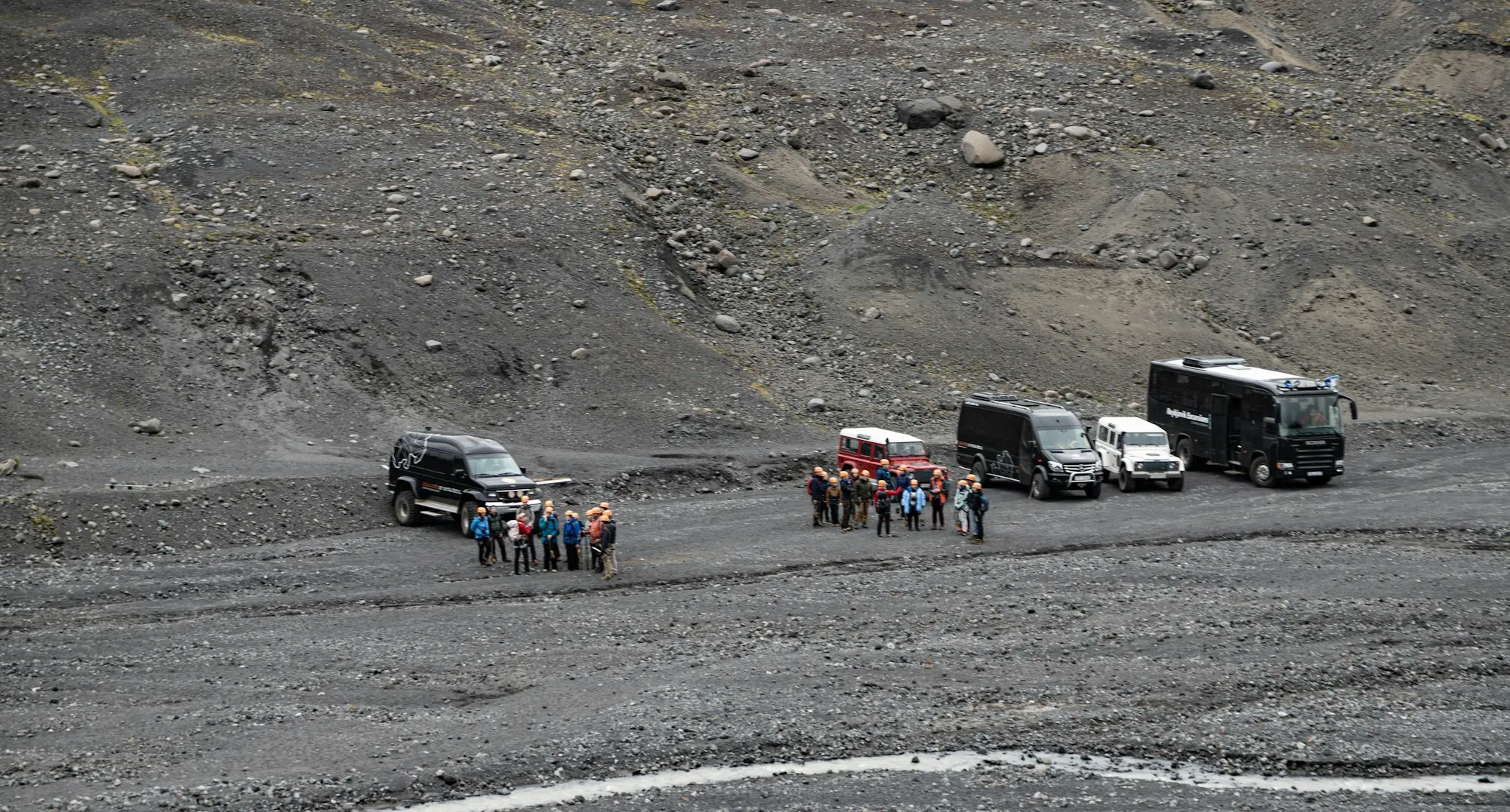
On-site assessment with the operating team in the field.
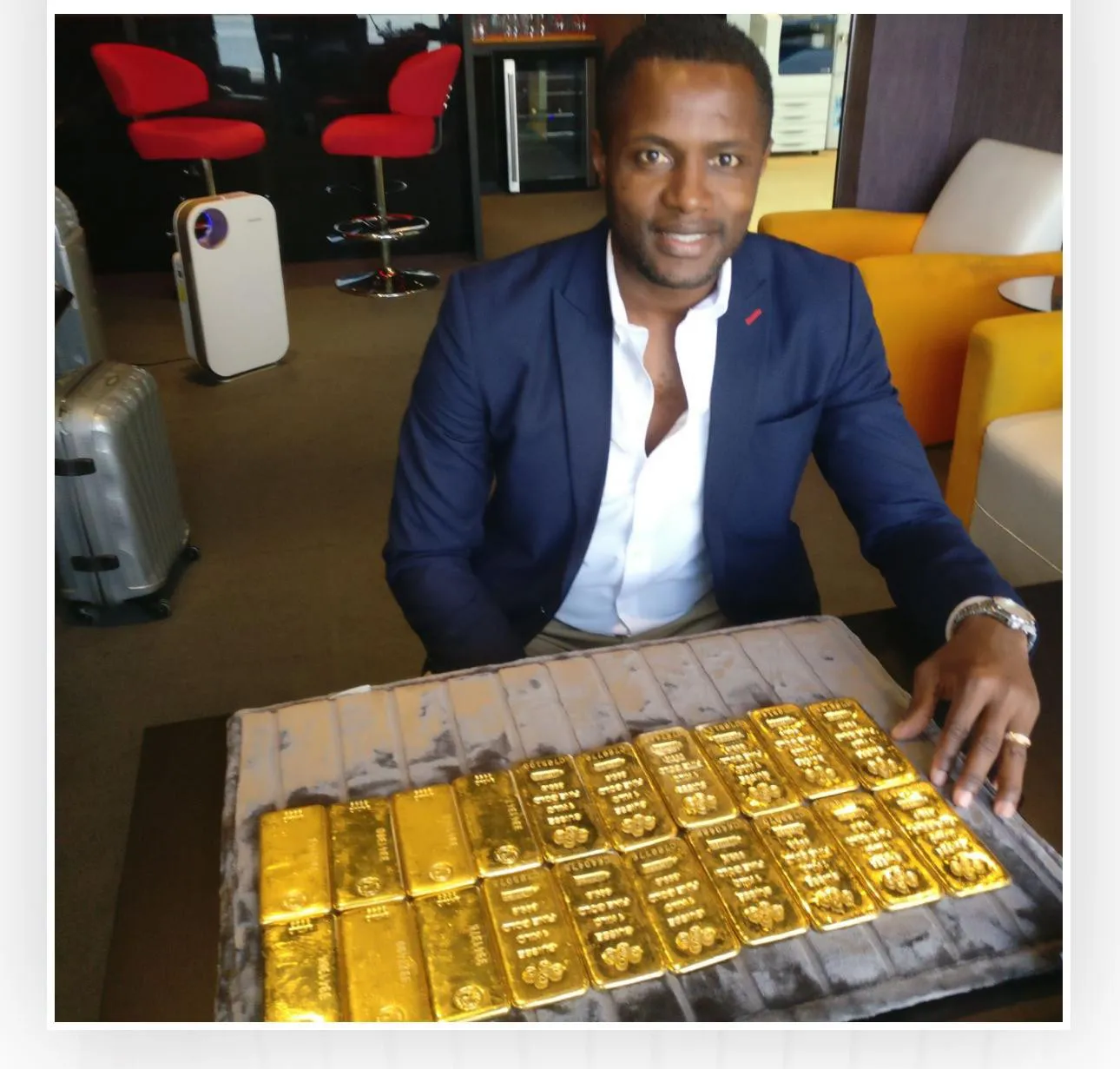
From the producer at the pit through to validated bullion on the desk.

Closing on a mandate with a counterparty we have qualified.
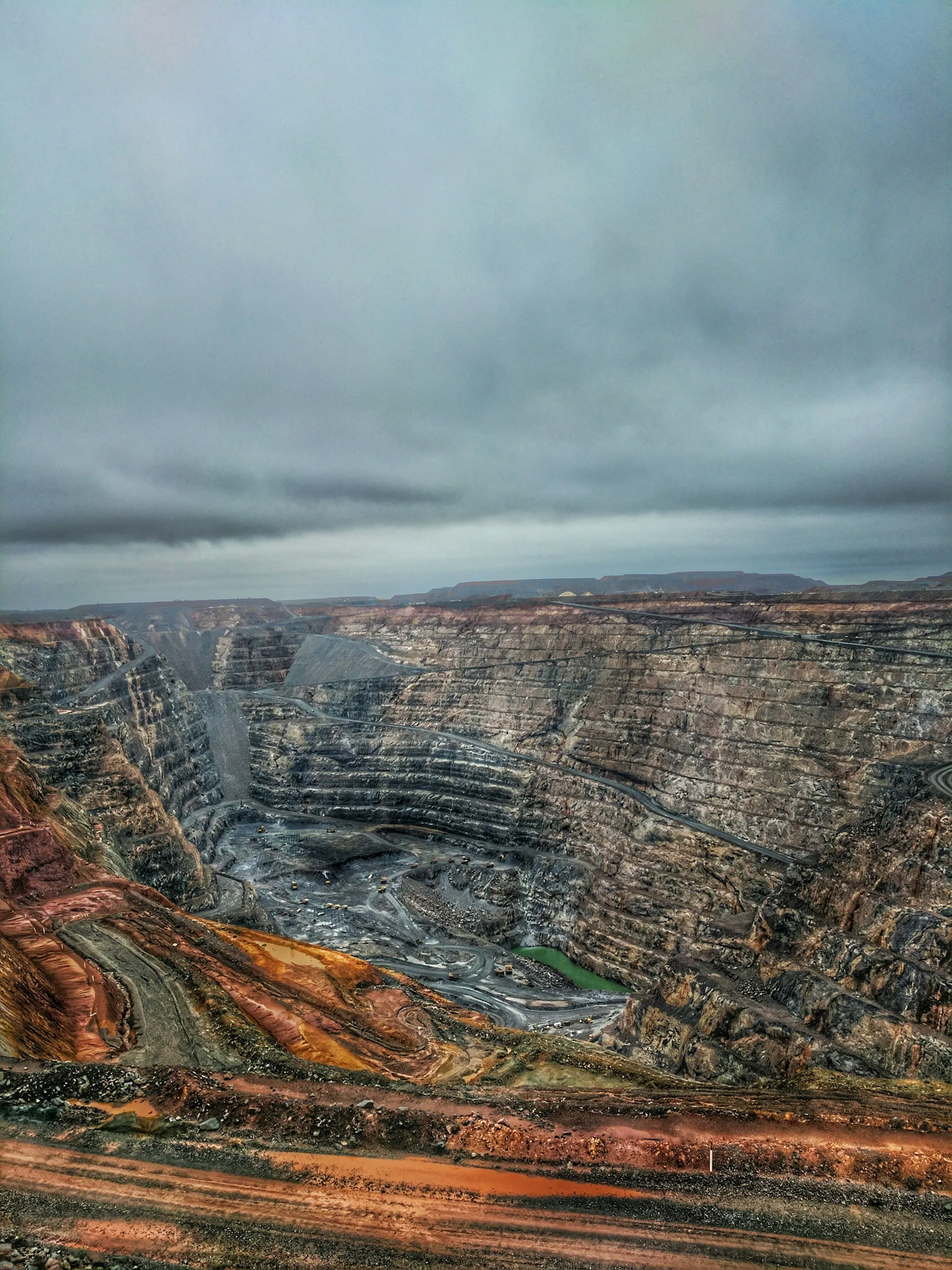
Independent technical review of producing assets.
Frequently asked questions.
What jurisdictions do you cover for mining acquisitions?
We focus on jurisdictions where the legal regime, mining code, and operational track record support a defensible acquisition: parts of West and East Africa (Ghana, Côte d'Ivoire, Tanzania, and selected others), with growing scope across South-East Asia. We are explicit about the jurisdictions where we will not bring opportunities, regardless of headline returns.
What stage of asset do you typically source?
Our strongest networks sit in near-production and producing assets — projects with substantive geological work completed, defensible licences, and a credible path to cash flow under new ownership. We can also support pure exploration mandates, but the diligence and risk profile is materially different.
Do you take a position in the assets you facilitate?
No. We act as a facilitator and do not take equity in the assets we introduce. Our incentive is the quality of the introduction and the long-term relationship, not a hidden position in the deal.
How do you verify that an asset is genuinely available for sale?
Before any introduction, we verify the licence chain, beneficial ownership, and the seller's authority to transact — including reference calls in the operating country and document checks against the local mining cadastre. We have walked away from many opportunities at this stage; that discipline is the value of using us.
How do you handle environmental, social, and governance considerations?
ESG is not a tick-box for us. We screen assets and sellers for community standing, environmental compliance history, and sanctions exposure. Where ESG concerns exist, we say so plainly. Buyers acquiring under our facilitation should expect the kind of disclosure that survives a later audit by a development finance institution or an ESG-focused investor.
What does engagement typically cost?
Mandates are scoped individually. We work on a combination of retainer plus success structure where appropriate, with full transparency on incentives. We are happy to discuss commercial terms in an initial discovery conversation.